

Crossing State Lines: A Day Trip from Portland to Vancouver, Washington
My Oregon journey began in Portland, but on January 24, I pointed the car north on Interstate 5 and crossed the Columbia River into Washington State. It was time—again—to step beyond state lines.
It’s always been my MO to visit two or three states in one trip when geography allows, and the Pacific Northwest makes that effortless. One of the biggest advantages of this journey was the freedom that came with having my own rental car. No rigid schedules. No tour bus constraints. Just the open road and the ability to shape the day on my own terms.
Since Vancouver, Washington is only about 15 minutes from Portland, I took my time getting there. This wasn’t a race—it was a deliberate pause to experience history where it actually happened.
Fort Vancouver National Historic Site — The Anchor Stop
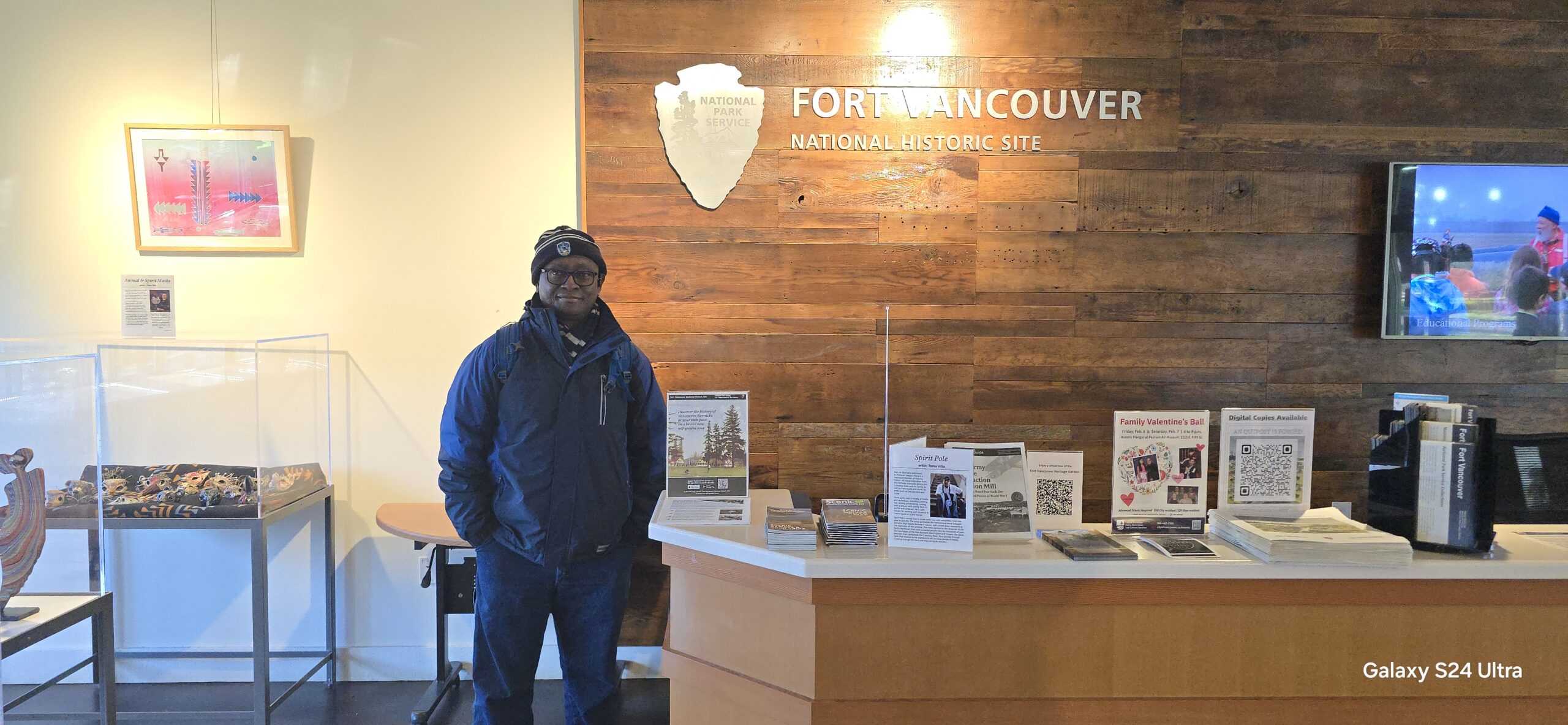
Fort Vancouver National Historic Site
Time Spent: 60–90 minutes
This was the heart of my Vancouver visit—and for good reason.
Originally established as a Hudson’s Bay Company trading post and later converted into a U.S. military installation, Fort Vancouver sits at the crossroads of Indigenous history, colonial trade, and American military expansion in the Pacific Northwest. Few places layer history this clearly and honestly.
The grounds are flat, walkable, and incredibly photo-friendly, making it easy to explore at a comfortable pace while absorbing the story beneath your feet. Reconstructed fort buildings bring the past into sharp focus, while interpretive signs add context without overwhelming the experience.
Don’t miss:
- The reconstructed fort buildings, which give scale and substance to the site
- The river views, a reminder of why this location mattered strategically and economically
This stop perfectly aligns with my philosophy of traveling to learn history on the ground—not just read about it later.
Vancouver Land Bridge — Subtle, Powerful History
Vancouver Land Bridge
Time Spent: 20–30 minutes
From the fort, I walked over to the Vancouver Land Bridge, a symbolic pedestrian bridge connecting Fort Vancouver to the Columbia River.
This space isn’t loud or imposing—and that’s exactly its power. Built to honor Indigenous presence, continuity, and connection to the land, the bridge invites reflection rather than spectacle. It’s an easy stroll, but one that carries weight if you pause long enough to notice the design, the sightlines, and the intent.
This is history you feel quietly.
Vancouver Waterfront — Slowing the Pace
Vancouver Waterfront
Focus: Columbia River views
After immersing myself in history, I headed to the Vancouver Waterfront, where the city opens up to the Columbia River. The contrast was refreshing.
Here, public art, wide walkways, and open river views create a calm, modern energy. Benches line the riverwalk, inviting you to sit, breathe, and let the experience settle. It’s the perfect counterbalance to Fort Vancouver—less about interpretation, more about presence.
This is where you slow down and let the day catch up with you.
Esther Short Park — Washington’s Oldest Public Square
Esther Short Park
Time Spent: 30–45 minutes
Located right in downtown Vancouver, Esther Short Park holds the distinction of being the oldest public square in Washington State. That alone makes it worth a visit.
The park feels lived-in in the best way. It’s a place to sit, reflect, people-watch, or step into one of the nearby cafés. On weekends, the park often hosts markets or light community activity, adding a local rhythm to the space.
It’s not flashy—but it’s foundational. And sometimes, that’s exactly what history looks like.
Officers Row — Quiet Elegance and Military Legacy
Officers Row
Time Spent: 20–30 minutes
Just a short walk from the fort sits Officers Row, a line of historic military homes that feels almost frozen in time.
The streets are quiet. The architecture is elegant. And the lack of crowds makes it ideal for thoughtful exploration and photography. This area pairs beautifully with Fort Vancouver, adding a personal, human dimension to the broader military story.
Here, you’re not just learning about institutions—you’re imagining daily life.
Brunch with a View: Maryhill Winery & Restaurant
Maryhill Winery
Before leaving Vancouver, I made one final stop that rounded out the day perfectly: Maryhill Winery and Restaurant.
I enjoyed a light brunch paired with a sample of seven wine selections, each offering a different expression of the region. The experience was relaxed, refined, and a fitting close to a day built around exploration and intention.
Sometimes, the best way to end a history-rich day is by slowing down with good food, good wine, and time to reflect.
Why Vancouver, Washington Works So Well
Vancouver isn’t loud about its history—but it doesn’t hide it either. Everything is close, walkable, and thoughtfully connected. From Indigenous heritage to military expansion to modern waterfront life, the city rewards travelers who come curious and unhurried.
This visit reinforced why having your own transportation matters. With a rental car, crossing state lines becomes effortless—and the journey expands organically.
One day. One short drive. One more state added—not just checked off, but truly experienced.