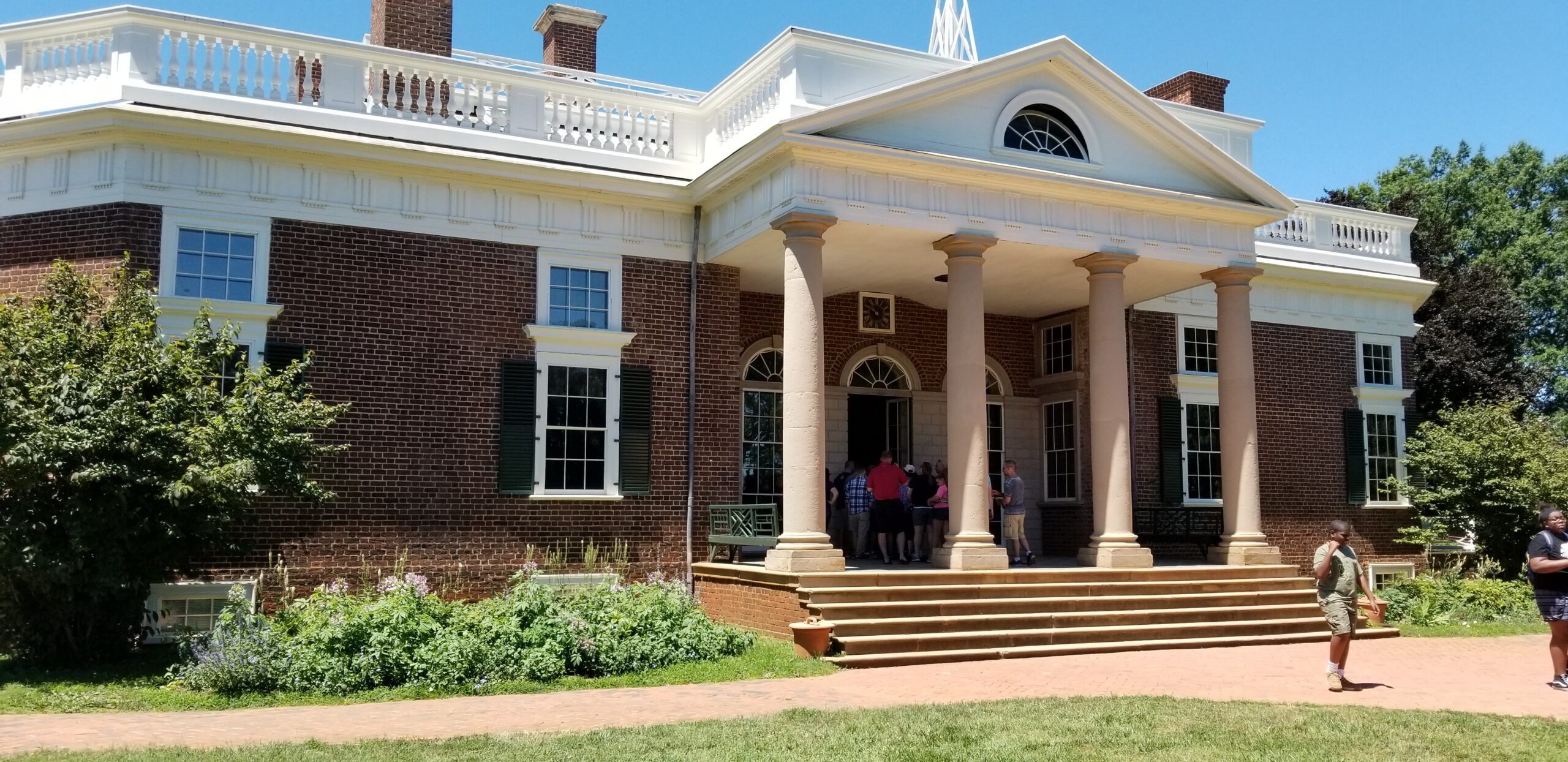


A Historic Road Trip: Visiting Monticello in Charlottesville, VA
In the summer of 2018, I embarked on a road trip from Easton, Maryland to Charlottesville, Virginia with one destination in mind—Monticello, the iconic home of Thomas Jefferson, America’s third president and the principal author of the Declaration of Independence. As someone deeply interested in history, culture, and architecture, this journey was both educational and awe-inspiring.
🚗 The Scenic Drive from Easton to Charlottesville
Our journey began in the early morning hours in Easton, Maryland. The drive to Charlottesville took roughly 3.5 to 4 hours, weaving through the lush greenery of Maryland’s Eastern Shore, across the Chesapeake Bay Bridge, and down through the rolling hills of central Virginia.
We took our time, stopping for scenic views and local eats along the way. Road trips like this are a reminder that getting there is half the experience—especially when you’re cruising through the heart of early American history.
🏛️ Arriving at Monticello: A UNESCO World Heritage Site
Nestled atop a small mountain, Monticello is more than just a historic home—it’s a symbol of Jefferson’s complex legacy as a Founding Father, inventor, scholar, and slaveholder. As we approached the estate, I was struck by the neoclassical architecture, the symmetry of the gardens, and the breathtaking panoramic views of the Blue Ridge Mountains.
Our visit included:
- A guided house tour, where we walked through Jefferson’s beautifully preserved study, parlor, and library.
- Exploring the Mulberry Row, once home to the enslaved laborers who made life at Monticello possible.
- A reflective walk through Jefferson’s grave site in the family cemetery.
🔍 History Up Close: The Legacy of Thomas Jefferson
Visiting Monticello offered a unique chance to reflect on Jefferson’s contributions and contradictions. On one hand, he championed liberty and enlightenment ideals. On the other, he was a plantation owner who enslaved over 600 people throughout his lifetime.
The estate doesn’t shy away from this reality. The “Slavery at Monticello” exhibit was especially moving, honoring the lives of those who lived and worked there, including Sally Hemings and her descendants.
🌿 The Gardens and Grounds
Monticello isn’t just about the house—the gardens are a work of art in themselves. Jefferson was a passionate horticulturist, and his vegetable garden, orchard, and flower beds have been meticulously restored. Walking through them felt like stepping into an 18th-century botanical journal.
🛍️ Visitor Center & Museum Shop
Before heading back, we stopped at the David M. Rubenstein Visitor Center, which features interactive exhibits, a short film about Jefferson’s life, and a well-curated museum shop. I picked up a few keepsakes including a replica of the Declaration of Independence and a book on Jefferson’s architectural philosophy.
Final Thoughts: Why Monticello Is a Must-See
If you’re a lover of American history, architecture, or road trips, Monticello is a must-visit. The estate offers a balanced and insightful look into the life of one of America’s most influential—and most complicated—figures.
This road trip from Easton to Charlottesville reminded me how powerful it is to stand where history happened. Monticello is more than a monument; it’s a conversation starter, a place to learn, and a place to reflect.
🧭 Travel Tips
- Best Time to Visit: Spring and fall for pleasant weather and fewer crowds.
- Tickets: Book in advance online, especially during weekends and holidays.
- Nearby Attractions: Consider visiting the University of Virginia, also designed by Jefferson, and local Virginia wineries for a full Charlottesville experience.
Have you ever visited Monticello or taken a historical road trip? Share your thoughts in the comments!